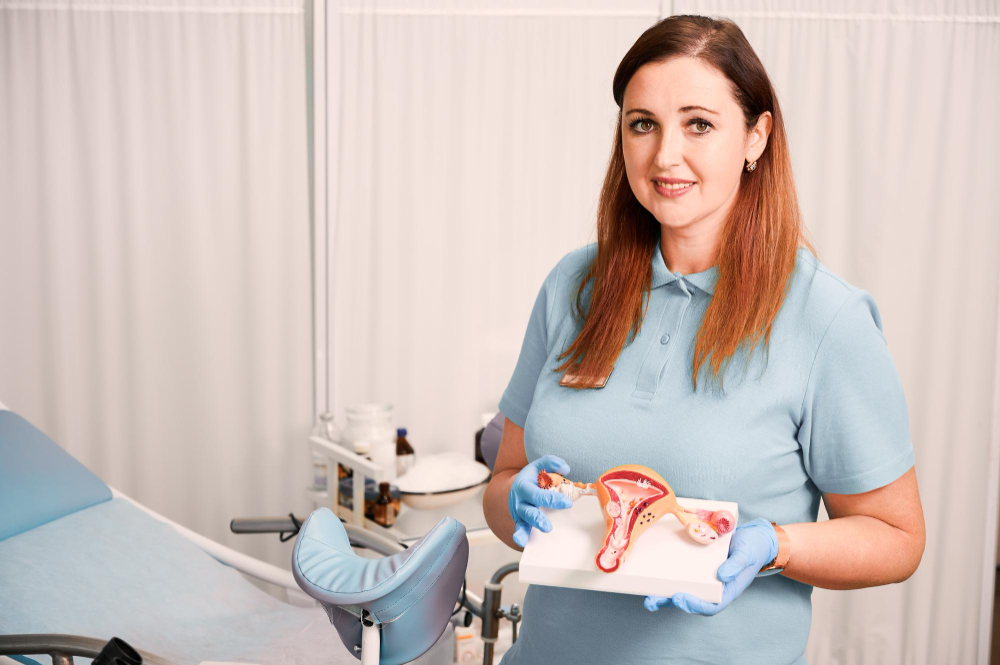
What is Cervical Ectopy (Erosion)?
Cervical Ectopy, also called cervical erosion, is a common condition in women. In this condition, the cells from inside the cervical canal move to the outer surface of the cervix. The cervix is the lower part of the uterus that opens into the vagina. Usually, the outer cervix is covered by flat cells. However, with cervical ectopy, glandular cells from inside the cervix appear on the outside. These cells are more delicate and can cause symptoms. Although the term “erosion” sounds serious, this condition is usually harmless and not related to cancer.
Symptoms of Cervical Ectopy
Many women with cervical ectopy have no symptoms. However, some may notice changes. For example, you might see:
Still, most cases are found during routine check-ups. If you notice any unusual bleeding or discharge, it is important to talk to your doctor.
Causes and Risk Factors
Several factors can lead to cervical ectopy. For instance, it often happens naturally in young women and teenagers. Hormonal changes play a big role. Some common causes and risk factors include:
Additionally, women who use estrogen-based medications may be more likely to develop this condition. Cervical ectopy is not caused by infection or poor hygiene.
Diagnosis and Tests
Doctors usually find cervical ectopy during a pelvic exam. Sometimes, they may see a red, inflamed area on the cervix. To confirm the diagnosis, your doctor may:
In most cases, no further tests are needed unless there are unusual symptoms or abnormal Pap smear results. According to the World Health Organization (WHO), regular cervical screening is important for all women.
Treatment Options
Often, cervical ectopy does not need treatment. If you have no symptoms, your doctor may simply monitor the condition. However, if you have bothersome symptoms, treatment options include:
These treatments are quick and usually done in the clinic. Most women recover quickly. Still, your doctor will help you decide if treatment is needed.
Prevention and Lifestyle Tips
While you cannot always prevent cervical ectopy, you can take steps to keep your cervix healthy. For example:
Moreover, staying informed about your reproductive health can help you spot changes early.
When to See a Doctor
It is important to see a doctor if you notice:
Even though cervical ectopy is usually harmless, these symptoms can also be signs of other conditions. Therefore, early evaluation helps rule out serious problems.
In summary, cervical ectopy (erosion) is common and often harmless. However, if you have symptoms or concerns, consult a gynecologist at Dr. Chandrika Kanne for personalized advice on Cervical Ectopy (Erosion).