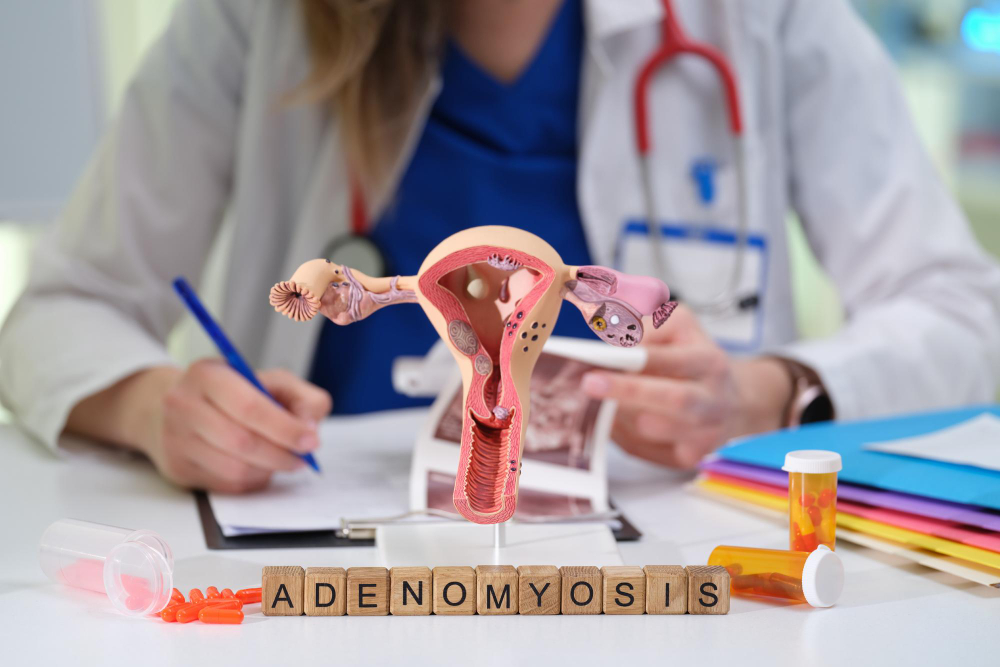
What is Adenomyosis?
Adenomyosis is a condition that affects the uterus. In this condition, the tissue that normally lines the inside of the uterus grows into the muscle wall of the uterus. As a result, this can cause pain and heavy periods. Many women do not know they have adenomyosis until they see a doctor for symptoms. However, some women may not have any symptoms at all.
Common Symptoms of Adenomyosis
Many women with adenomyosis notice changes in their periods or feel pain. But, symptoms can vary from person to person. Here are some common signs:
Sometimes, women have mild symptoms or none at all. Even so, if you notice changes in your periods, it is wise to talk to your doctor.
Causes and Risk Factors
Doctors are not sure what causes adenomyosis. Still, some factors may raise your risk. For example, women in their 30s and 40s are more likely to get it. Also, women who have had children or surgery on the uterus may have a higher risk. Other possible risk factors include:
While the exact cause is unknown, hormones like estrogen may play a role. Because of this, symptoms often improve after menopause.
How is Adenomyosis Diagnosed?
Doctors use several steps to diagnose adenomyosis. First, they ask about your symptoms and medical history. Next, they may do a pelvic exam to check for an enlarged or tender uterus. However, adenomyosis can look like other conditions, so more tests are often needed. These may include:
Often, doctors rule out other causes before confirming adenomyosis. If you have ongoing pain or heavy periods, ask your doctor about these tests.
Treatment Options for Adenomyosis
Treatment for adenomyosis depends on your symptoms and if you want to have children. Some women need only simple treatments, while others may need more help. Here are common options:
Because every woman is different, your doctor will help you choose the best treatment. For mild symptoms, lifestyle changes and pain relief may be enough.
Lifestyle Tips and Prevention
Although you cannot always prevent adenomyosis, some steps may help manage symptoms. For instance, you can try:
Even though these tips do not cure adenomyosis, they can make daily life easier. Always talk to your doctor before starting new treatments or supplements.
When to See a Doctor
If you have heavy periods, severe cramps, or pelvic pain, it is important to see a doctor. Sometimes, these symptoms can be signs of other health problems. Early diagnosis can help you get the right treatment. In addition, if your symptoms get worse or do not improve with home care, seek medical advice.
Frequently Asked Questions
Conclusion and Next Steps
Adenomyosis can cause pain and heavy periods, but many treatment options are available. With the right care, most women can manage their symptoms and live a full life. If you think you may have adenomyosis, consult Dr. Chandrika Kanne for personalized advice and treatment options.