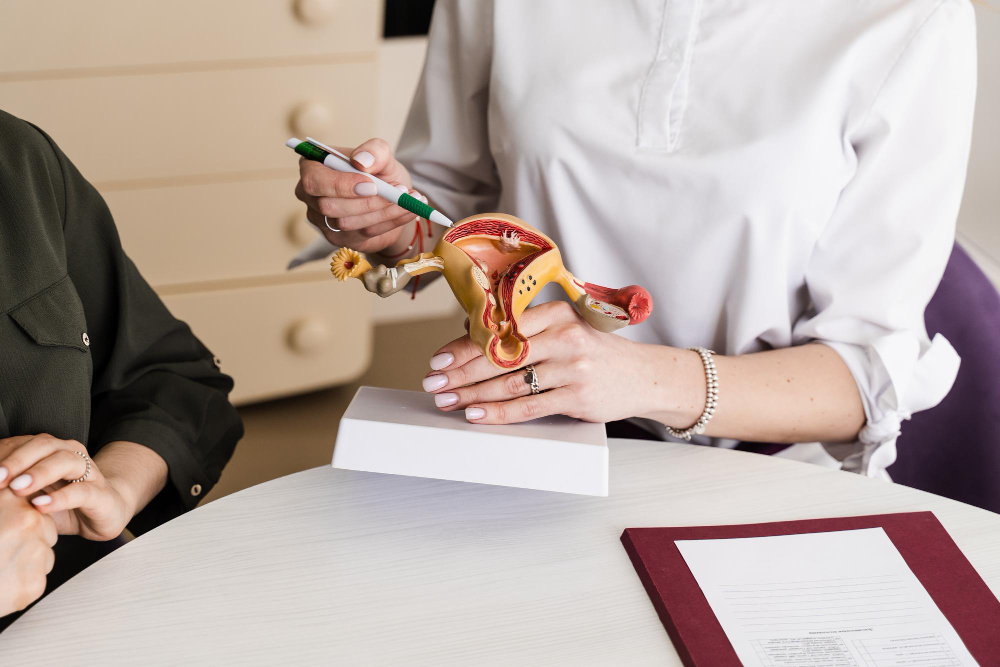
What is Endometriosis?
Endometriosis is a health condition that affects many women. In this condition, tissue similar to the lining inside the uterus grows outside it. Because of this, women may feel pain, especially during periods. Sometimes, it can also cause problems with getting pregnant. Although endometriosis is common, many people do not know what causes it. Understanding the leading causes of endometriosis can help you take better care of your health.
Why Understanding Causes Matters
Knowing what causes endometriosis is important for several reasons. First, it helps you spot the signs early. Also, it can guide you in making healthy choices. For many women, learning about risk factors for endometriosis can lower worry and confusion. In addition, understanding the causes may help you talk to your doctor with more confidence. Early action can often lead to better outcomes.
Leading Causes of Endometriosis
Doctors and researchers are still studying what causes endometriosis. However, several main theories and triggers have been found. Below are the leading causes and triggers:
While these are the main causes, not all women with these factors will develop endometriosis. Still, knowing these triggers can help you stay alert.
Risk Factors and Who is at Risk
Some women are more likely to develop endometriosis than others. Here are the main risk factors for endometriosis:
Additionally, endometriosis is more common in women aged 25 to 40. However, it can affect younger or older women too. In some regions, such as urban areas, rates may be higher due to lifestyle or environmental factors.
Myths vs. Facts About Causes
There are many myths about what causes endometriosis. Let’s clear up some common ones:
Because of these myths, many women may delay seeking help. Therefore, it is important to know the facts and talk to a doctor if you have concerns.
When to See a Doctor
If you have severe period pain, pain during sex, or trouble getting pregnant, you should see a doctor. Also, if you notice changes in your periods or have ongoing pelvic pain, do not ignore these signs. Early diagnosis can help manage symptoms and improve your quality of life. For more information, you can visit trusted sources like the World Health Organization (WHO) or the Centers for Disease Control and Prevention (CDC).
In summary, knowing the leading causes of endometriosis can help you take charge of your health. If you have questions or symptoms, consult a gynecologist at Dr. Chandrika Kanne for personalized advice about endometriosis.