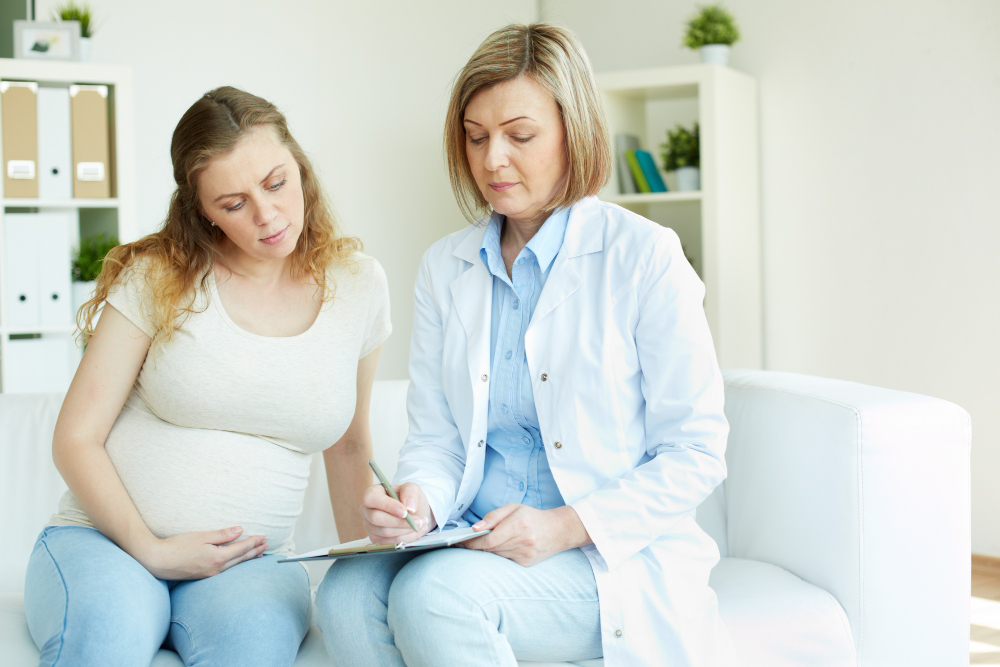
High-risk pregnancy care is important for the health of both mother and baby. A high-risk pregnancy means there is a greater chance of problems during pregnancy or birth. Because of this, special care and expert tips can help make the journey safer. Understanding what makes a pregnancy high-risk and knowing how to manage it can lead to better outcomes for everyone involved.
What Is a High-Risk Pregnancy?
A high-risk pregnancy is one where the mother, baby, or both face higher chances of health problems. Sometimes, these risks are present before pregnancy begins. Other times, they develop during pregnancy. For example, certain health conditions or age can make a pregnancy high-risk. However, with the right care, many women have healthy pregnancies and babies.
Common Causes and Risk Factors
Many things can increase the risk during pregnancy. Knowing these risk factors helps you stay alert. Some common causes include:
Additionally, family history and certain genetic conditions can play a role. Because these factors vary, it is important to talk with your doctor about your own risks.
Recognizing Symptoms and Warning Signs
Early signs can help you get care quickly. Watch for these symptoms:
If you notice any of these warning signs, contact your healthcare provider right away. Quick action can make a big difference.
Diagnosis and Monitoring Methods
Doctors use several methods to check on high-risk pregnancies. For instance, they may suggest more frequent check-ups. Some common monitoring tools include:
Because each pregnancy is unique, your doctor will choose the best tests for you. Regular monitoring helps catch problems early and keeps you and your baby safer.
Essential Tips for Safer High-Risk Pregnancy Care
Following expert pregnancy tips can help lower risks. Here are some important steps:
Moreover, keeping a list of questions for your doctor can help you stay informed. Always share any new symptoms or concerns during your visits.
Lifestyle and Self-Care Guidance
Healthy habits support a safer pregnancy. For example, eating small, frequent meals can help with nausea. Drinking plenty of water keeps you hydrated. In addition, gentle walks or stretching can boost your mood and energy. However, always check with your doctor before starting any new activity.
It is also helpful to build a support system. Family and friends can offer help with daily tasks or emotional support. Because stress can affect your health, try relaxation techniques like deep breathing or meditation. Remember, self-care is not selfish—it is essential for you and your baby.
Prevention and When to Seek Help
While not all high-risk pregnancies can be prevented, some steps can lower your chances. For instance, managing chronic health conditions before pregnancy is important. Getting regular check-ups and following your doctor’s advice also helps. If you plan to become pregnant, talk to your doctor about any risks you may have.
Always seek help if you notice warning signs or feel unwell. Early care can prevent serious problems. The CDC and WHO recommend regular prenatal care for all pregnant women, especially those at higher risk.
In summary, high-risk pregnancy care involves careful monitoring, healthy habits, and expert support. If you have concerns or need advice, consult Dr. Chandrika Kanne for personalized guidance on high-risk pregnancy care.