Introduction
Getting good sleep is important for everyone. However, during pregnancy, sleep can become more challenging. Many women wonder about the best sleep positions during pregnancy. The way you sleep can affect your comfort and your baby’s health. In this blog, we will explain why sleep positions matter, which are best, and which to avoid. We will also share helpful pregnancy sleep tips for better rest.
Why Sleep Positions Matter in Pregnancy
During pregnancy, your body goes through many changes. As your belly grows, it can be hard to find a comfortable position. But, sleep positions during pregnancy are not just about comfort. They can also affect blood flow to your baby and your own health. For example, some positions may put pressure on important blood vessels. This can lower the amount of blood and oxygen reaching your baby. Therefore, choosing the right sleep position is important for safe sleep during pregnancy. According to the American College of Obstetricians and Gynecologists (ACOG), sleep position can impact both mother and baby.
Recommended Sleep Positions for Pregnant Women
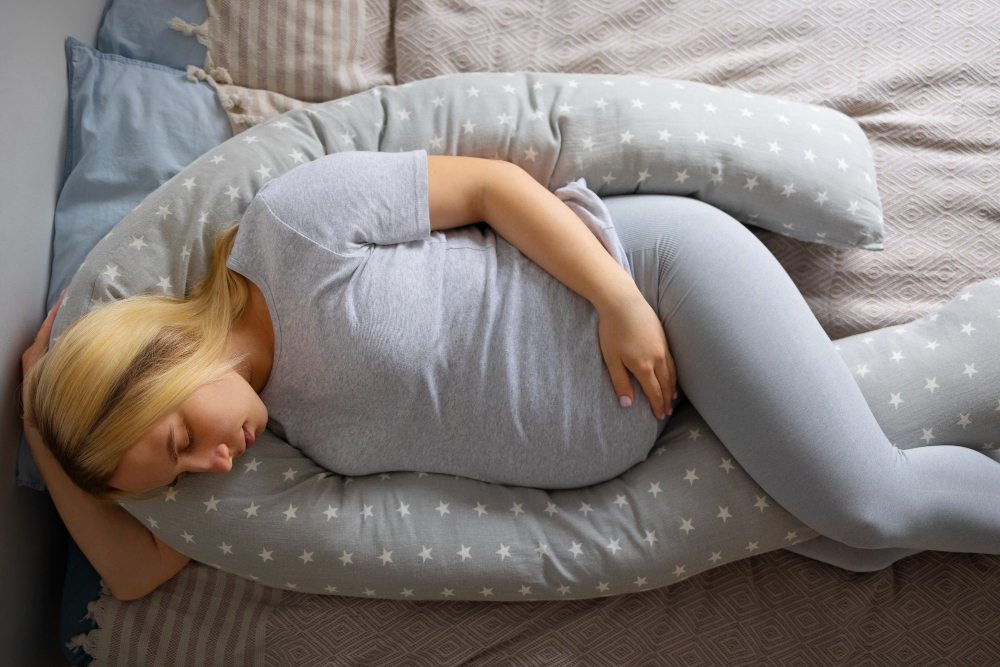
Experts agree that sleeping on your side is the best sleeping position for pregnancy. In fact, the left side is often recommended. Here’s why:
For extra comfort, you can place a pillow between your knees. You may also put a pillow under your belly or behind your back. These small changes can help you sleep better and feel more supported.
Positions to Avoid and Their Risks
Some sleep positions during pregnancy are not safe. It is important to know which to avoid and why.
Because of these risks, experts suggest side sleeping as the safest choice for most pregnant women.
Tips for Better Sleep During Pregnancy
Getting enough rest can be hard, but there are ways to improve your sleep. Here are some pregnancy sleep tips:
With these tips, you can enjoy safer and more restful sleep during pregnancy.
Frequently Asked Questions About Sleep in Pregnancy
Is it dangerous if I wake up on my back?
No need to worry if you wake up on your back. Just turn onto your side when you notice. Your body will often adjust on its own.
When should I start sleeping on my side?
It is best to start side sleeping by the second trimester. This is when your belly begins to grow and puts more pressure on your body.
Can I use a pregnancy pillow?
Yes, pregnancy pillows can help support your body. They make side sleeping more comfortable and can reduce aches.
What if I have trouble sleeping?
Many women have trouble sleeping during pregnancy. Try the tips above and talk to your doctor if sleep problems continue.
Conclusion
In summary, the best sleeping position for pregnancy is on your side, especially the left side. Avoid sleeping on your back or stomach as your pregnancy progresses. Use pillows and healthy habits to improve your rest. For safe sleep during pregnancy, always consult your obstetrician or gynecologist at Dr. Chandrika Kanne for personalized sleep guidance during pregnancy.