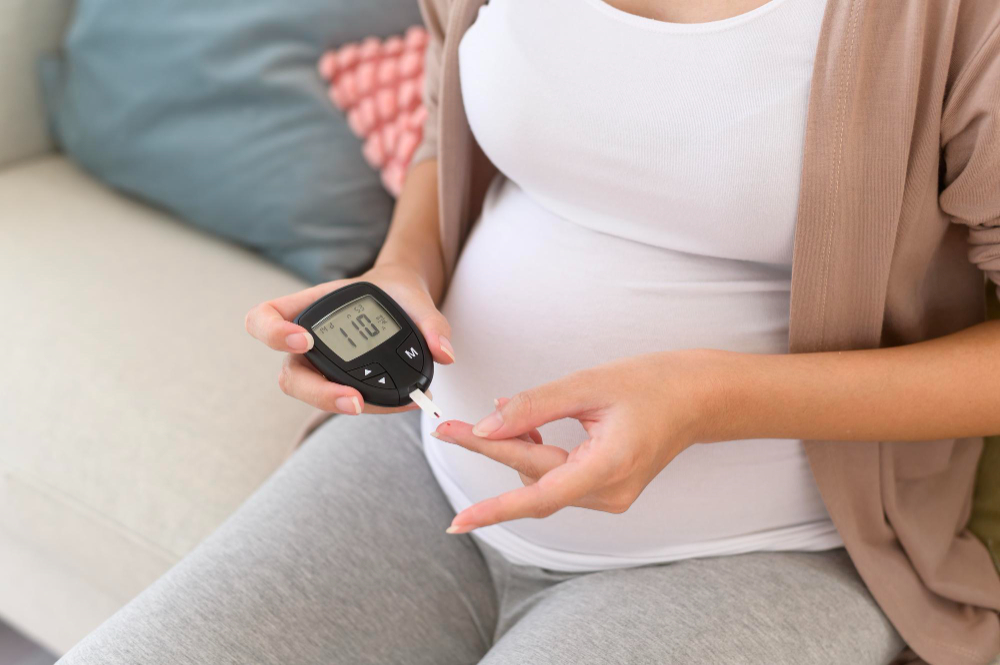
What is Gestational Diabetes?
Gestational diabetes is a type of diabetes that develops during pregnancy. It happens when your body cannot make enough insulin to control blood sugar levels. This condition is important because it can affect both mother and baby. Early detection and good management help keep you and your baby healthy. Many expectant mothers have questions about gestational diabetes, its causes, and how to prevent it. Understanding this condition is the first step to a safe pregnancy.
Causes of Gestational Diabetes
During pregnancy, your body goes through many changes. For example, hormones from the placenta can block the action of insulin. As a result, your blood sugar may rise. Some women’s bodies cannot make enough extra insulin to keep up. This leads to gestational diabetes. Although anyone can develop it, some women are at higher risk. Knowing the causes can help you take steps to lower your risk.
Symptoms and Risk Factors
Often, gestational diabetes does not cause clear symptoms. However, some women may feel more thirsty or need to urinate more often. Because symptoms can be mild, regular screening is important. Several risk factors increase your chances of developing gestational diabetes:
If you have any of these risk factors, talk to your doctor early in your pregnancy. Early action can make a big difference.
Diagnosis and Monitoring
Doctors usually test for gestational diabetes between 24 and 28 weeks of pregnancy. Sometimes, testing happens earlier if you have risk factors. The most common test is the glucose tolerance test. In this test, you drink a sweet liquid, and your blood sugar is checked. If your levels are high, your doctor may do more tests. Once diagnosed, you will need to monitor your blood sugar regularly. This helps keep your levels in a safe range. Regular check-ups are important for both you and your baby’s health.
Healthy Diet Tips for Gestational Diabetes
Eating well is key to managing gestational diabetes. A healthy pregnancy diet can help control your blood sugar. Here are some tips:
Additionally, always follow your doctor’s advice about your diet. A registered dietitian can help you create a meal plan that fits your needs.
Prevention Strategies for Expectant Mothers
While you cannot prevent all cases, some steps can lower your risk of gestational diabetes. Try these prevention strategies:
Even small changes can make a big difference. For example, adding a daily walk can help control your blood sugar. According to the CDC, healthy habits before and during pregnancy can lower your risk.
When to Consult Your Doctor
If you have risk factors or notice symptoms, contact your healthcare provider. Early testing and treatment are important. Your doctor, Dr. Chandrika Kanne, can guide you on blood sugar checks, diet, and exercise. If you are diagnosed, regular visits help keep you and your baby safe. Never hesitate to ask questions or share concerns. Your health team is there to support you.
Gestational diabetes can be managed with the right care. Consult Dr. Chandrika Kanne for personalized advice on managing gestational diabetes.